

Every loose leaf tea lover understands the subtle way tea communicates. How it inspires, comforts and consoles. But did you know those leaves have more to say after the tea is gone? Let me walk you through this quiet practice and show you how to find meaning in the patterns left behind.

Yes, you can read tea too! All you have to do is trust your intuition.
What You'll Need For Your First Reading
To read a tea cup is quite simple and requires only a few items. First is the tea itself. Most tea leaf readers prefer a black tea (I personally use my own beautiful Earl Grey blend). but any darker leaf tea will do. This makes symbols easier to see. Use one teaspoon of loose-leaf tea for every eight ounces of water in your teapot.
The second step is the teacup. This is probably the most crucial item for a proper tea leaf reading! The ideal vessel is a wide-mouthed cup with a diameter of three to four inches. The interior must be solid white or a very light color, without any patterns inside the cup. This provides a clear canvas for reading and will show the depth of contrast without obscuring the symbols of the leaves.
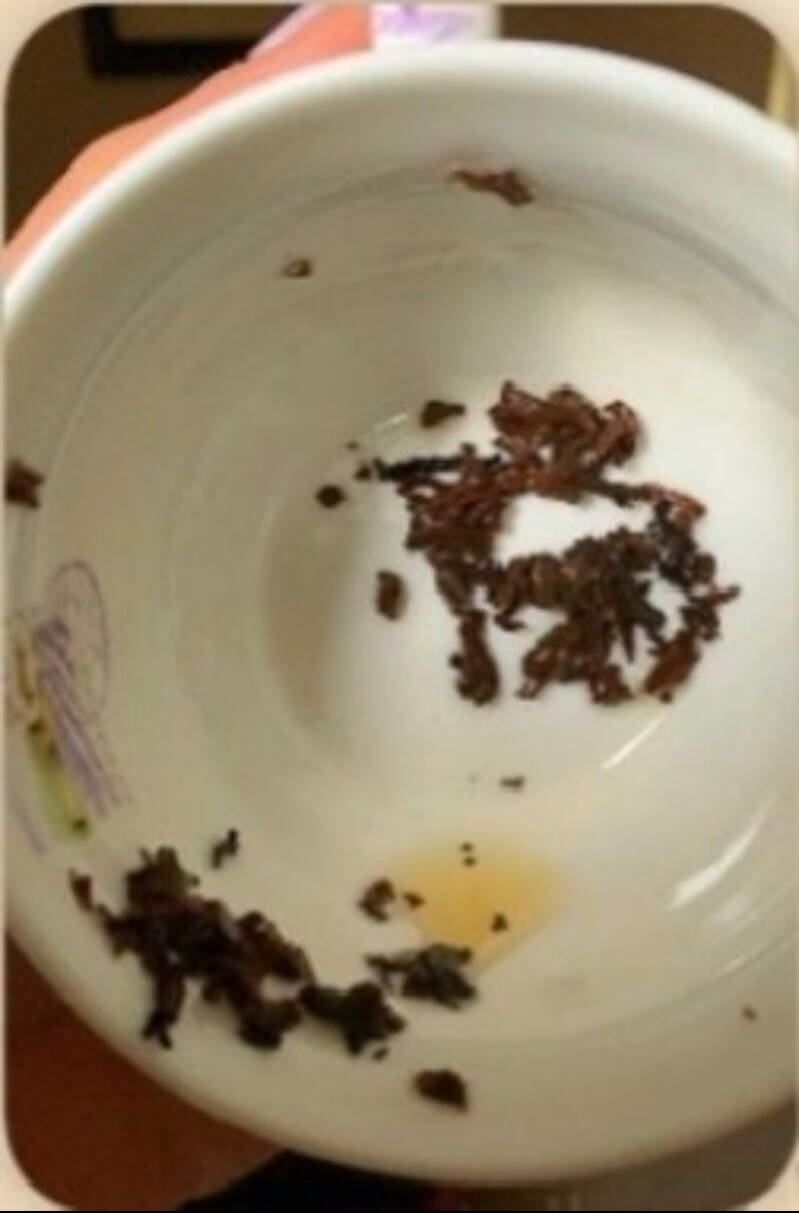
Seven Steps of Tasseography
The ritual of reading tea leaves is a quiet meditation. It follows a clear sequence of seven steps. Each step helps focus your intention. It allows the patterns to form naturally. Following this structure brings clarity to the process.
- Brew the Tea: Prepare loose-leaf tea directly in the cup or teapot. Don't use a strainer or infuser. The leaves must be free to unfold and move. Pour hot water over the leaves and let it steep.
- Set Your Intention: Quiet your mind. Focus on a question or concern you wish to explore. Hold the warm cup and concentrate on your intent. Let your energy infuse the tea.
- Drink the Tea: Sip the tea thoughtfully. Keep your question in mind. Leave about a teaspoon of liquid at the bottom. This small amount is needed to help the leaves settle.
- Swirl the Cup: Hold the cup in your left hand. Gently swirl the contents three times. This movement is symbolic. It helps distribute the leaves randomly yet meaningfully.
- Invert the Cup: Put a napkin on the saucer, then place the saucer upside down on top of the cup. Hold the cup and saucer together and quickly and smoothly turn the whole thing over. This allows the excess liquid to drain away and lets the tea leaves clinging to the sides.
- Let Leaves Settle: Keep the cup inverted for 3 seconds. This allows the leaves to set and form patterns inside the cup.
- Read the Cup: Turn the cup upright holding the handle facing you. Relax and observe any images you might see inside. Use your own insight to feel the symbolic meaning of each. A list of common interpretations can be found HERE.
How exciting, you've just read your first cup of tea! Keep practicing and reading for friends and family. Of course, a seasoned or professional tasseographer would have developed their own style but these are the basics ☕️ a foundation you can set your teacup on
Add comment
Comments