

THE HISTORY & FUTURE OF TASSEOMANCY
SPIRITUAL TRADITIONS
Tasseography or Tasseomancy is the practice of divination using tea leaves or coffee grounds in a cup or tasse in Latin. Throughout every culture, humans have always observed the shapes, patterns and movements in the natural world to receive spiritual insight. Tea cup reading stems from a lineage with roots deeply set in ancient customs of predicting outcomes and receiving messages such as: water scrying with herbs, candle wax or melted metal (hydromancy), seeing shapes in clouds (nephomancy), observation of the behavior of birds and other wild animals (augury and zoomancy) and even Astrology.
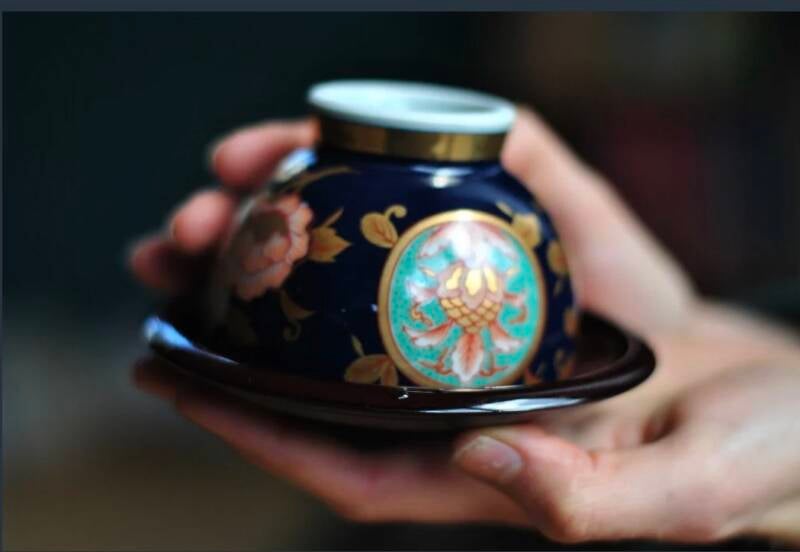
Tea leaf reading itself derives from the birth place of tea, China. In ancient China the art of tea leaf reading was practiced by Buddhist monks who ceremonially drank tea out of bell shaped cups and read patterns formed by tea on the inside of bells in their temples. The Ming Dynasty introduced porcelain teacups with white interior, which enhanced the custom of tea leaf reading. Eventually, tea leaf reading entered into ancient Turkey, India and in Persia where reading the wet leaves was a respected form of spiritual insight documented alongside astrology and numerology. In the 17th century merchants brought tea to Europe where it was an expensive novelty of the upper class. Prior to tea leaves, European folk traditions had herbal tisanes (herbs, flowers, roots, berries) for medicinal and divinatory purposes.
VICTORIAN INFLUENCE
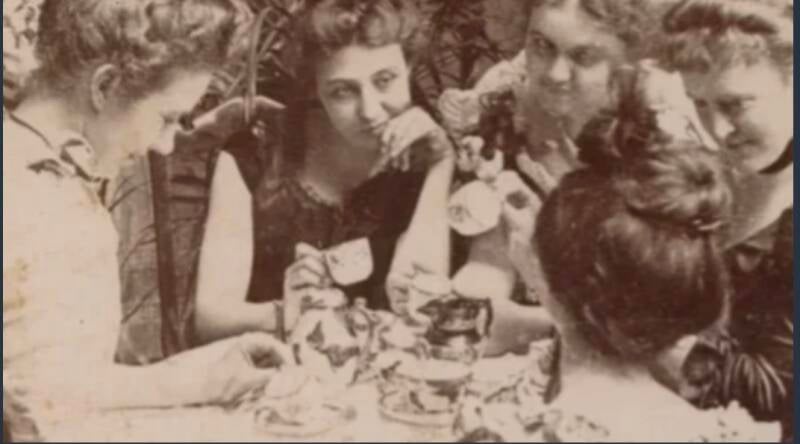
By the 19th century the price of tea was affordable to the middle class. The spiritual customs and ancient folk traditions of reading leaves transformed into an entertaining mystical art. Irish and Scottish servants read tea leaves in kitchens which intrigued the mistresses of the house. Soon “Tossing the Cups” became a wildly popular parlor game and social ritual across the British Isles and Europe. Fueled by the era's fascination with spiritualism and the occult, it offered women from different social classes an accessible, acceptable way to associate and explore the unseen within the comforting bounds of afternoon tea culture. Tasseography had never been hotter!
GYPSY FORTUNE TELLING
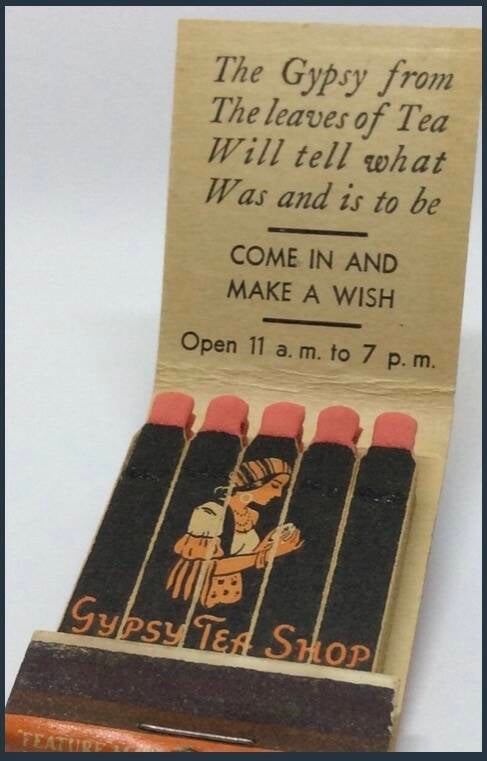
Nomadic Romani communities incorporated tea leaf reading into their traditions of going door to door in caravans/vardos offering their fortune-telling services for money. Soon after came the negative associations with tea leaf reading as “Gypsy fortune telling”.
Gypsy Tea Rooms: In the 1920s and 1930s, "gypsy tea rooms" became a popular trend in American cities like New York and Boston. Many businesses offered "free" tea leaf readings with a small food or tea purchase to bypass local laws that banned paid fortune-telling.
REVIVAL AND PRESERVATION
These days, tea leaf reading is much forgotten or relegated to a “granny” art or carnival act. If not for Harry Potter’s Professor Trelawney and the first chapter/episode of Outlander, many would have no idea what it is. The revival begins with me. I deeply respect the cultural history of tasseography and I am passionate about ensuring the preservation of the graceful art of tea leaf reading. It is my intention to bring dignity back to this time-honored tradition and venerate those who have gotten us this far.
I would like to personally thank you for your time and interest in Tasseography. Why not book your own private tea leaf reading session?
Add comment
Comments